Whidney Font: Bold Blackletter for Web Design
As a web designer, choosing the right font can make or break a design. Whidney is a bold blackletter typeface that brings medieval elegance and Gothic aesthetics to modern digital projects. Its intricate details and dramatic presence make it ideal for adding visual impact to headers, logos, and decorative elements on websites and apps.
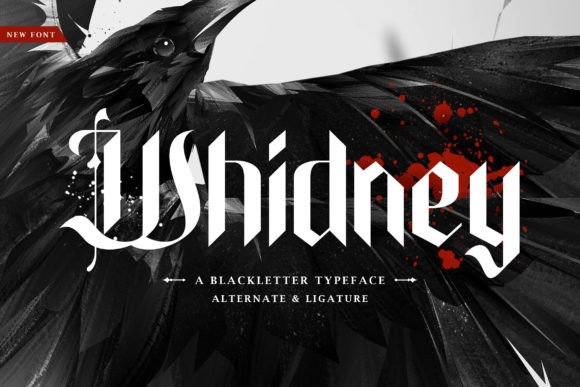
Whidney’s character is defined by its sharp serifs, ornate flourishes, and strong vertical strokes. These features give it a sense of authority and sophistication, making it perfect for branding that wants to stand out. Whether you're designing a portfolio site, an online store, or a marketing landing page, Whidney can help create a memorable visual identity.
Using Whidney in Web Design
One of the most effective ways to use Whidney is as a display font for headers and hero sections. Its boldness commands attention, which is essential for capturing user interest on landing pages or product sales sites. For example, a creative portfolio might use Whidney for the main title, paired with a clean sans serif for body text to balance contrast and readability.
On mobile screens, Whidney works best at larger sizes to maintain clarity. When used in small buttons or on dark backgrounds, it can still be legible if properly spaced and sized. For image overlays, the font’s weight helps it pop against complex backgrounds without getting lost.
In online stores, Whidney can be used for banners or promotional text to add a sense of exclusivity. A boutique brand selling handmade goods might use it for a "Limited Edition" label or a seasonal sale header. The font’s personality aligns well with brands that want to evoke a sense of craftsmanship and tradition.
Whidney for Brand Identity and Visual Hierarchy
Brand tone is crucial in digital design, and Whidney can help establish a distinct voice. Its Gothic roots suggest a mix of mystery and strength, making it suitable for industries like fashion, luxury goods, or editorial content. When used consistently across a website, it reinforces brand recognition and creates a cohesive visual language.
For conversion-focused layouts, Whidney can be used strategically in call-to-action areas. A coaching website, for instance, might use it for a “Start Your Journey” button to draw attention while maintaining a professional feel. However, it's important to avoid overusing it—too much can overwhelm users and reduce readability.
When paired with simpler fonts, Whidney shines even more. A serif font like Georgia or a sans serif like Open Sans can complement its complexity without clashing. This pairing is especially useful for blog headers, where the goal is to guide readers through content while keeping the design clean and approachable.
Practical Applications of Whidney
Consider using Whidney for a course sales page. A headline like “Master Digital Design” in Whidney can grab attention and signal expertise. Similarly, a blog header with the same font can set a tone of authority and creativity, helping to build trust with readers.
For social media graphics or email newsletters, Whidney adds a touch of flair without being too distracting. It’s also great for logo design, where its unique style can differentiate a brand from competitors. However, it’s best suited for short phrases rather than long paragraphs due to its decorative nature.
When selecting a font for web use, always check for webfont availability, file formats, and multilingual support. Whidney likely includes multiple weights and alternates, which can be useful for different design scenarios. Make sure to verify commercial licensing terms, especially if the font will be used in client projects or online stores.
Ultimately, Whidney is a powerful tool for designers looking to add drama and sophistication to their work. Its blend of historical inspiration and modern usability makes it a versatile choice for a wide range of digital projects. Whether you're building a personal website or working on a brand identity, Whidney can elevate your design with its distinctive character and visual appeal.