Redtrap: A Bold Font for Business
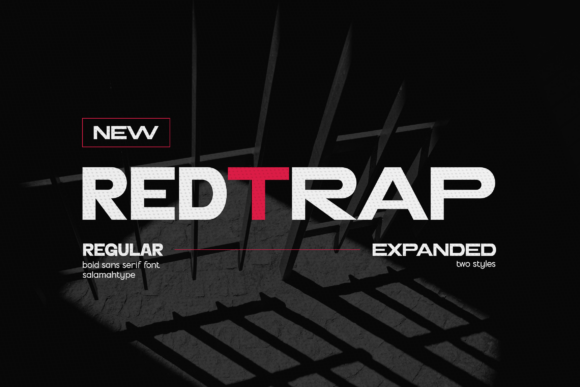
As a small business owner, I’ve learned that even the smallest details can make a big difference. Recently, I was tasked with updating the packaging for a local bakery’s seasonal treats. The old labels felt tired, and the font didn’t match the energy of the brand. That’s when I discovered Redtrap—a bold, expanded sans serif font that brought a fresh, confident look to everything it touched.
What Is Redtrap?
Redtrap is a premium font that combines clean lines with an expansive character set. Its modern aesthetic gives it a strong, confident presence, making it ideal for logos, headlines, and display text. Unlike more traditional sans serifs, Redtrap has a slightly bolder weight and wider spacing that makes it stand out without being overwhelming.
It’s perfect for businesses looking to create a visual identity that feels both professional and approachable. Whether you're designing a logo or updating a menu, Redtrap adds a layer of sophistication that’s hard to ignore.
Real-World Applications
I tested Redtrap on several real-world projects, and it consistently delivered. For a candle seller, it transformed the look of product labels, giving them a clean, modern edge that made the products feel more premium. On a café menu, it provided a strong, readable headline that drew attention without distracting from the content below.
For a skincare brand, Redtrap worked well on product packaging, where its boldness helped the brand name pop against minimalist backgrounds. It also proved effective on social media graphics, where it added visual impact to Instagram posts and promotional banners.
One of the most impressive aspects of Redtrap is how it maintains readability across different sizes and formats. Even on small labels or mobile screens, it stays clear and legible, which is essential for any business that relies on visual communication.
When to Use Redtrap
Redtrap shines as a display font or logo typeface. It’s not the best choice for long paragraphs of body text, but it works beautifully for headlines, short phrases, and branding elements. Its strength lies in its ability to command attention while still feeling elegant and modern.
For example, using Redtrap on a boutique’s product tags gave them a cohesive, polished look that matched the store’s overall aesthetic. On a coaching brand’s website banner, it added a sense of authority and confidence that aligned with the brand’s messaging.
It’s also great for digital ads and social media thumbnails, where a strong, eye-catching font can help your content stand out in a crowded feed.
Pairing Redtrap with Other Fonts
While Redtrap is a standout on its own, it pairs well with other fonts to create balanced, visually appealing designs. For a more refined look, try pairing it with a classic serif font like Georgia or Playfair Display. This contrast can add depth and elegance to your design work.
If you’re going for a more casual or creative vibe, a script or handwritten font can complement Redtrap nicely. Just be careful not to overdo it—too many different fonts can make your design feel cluttered.
For a clean, modern look, pair Redtrap with another sans serif font. This creates a cohesive, professional appearance that’s easy on the eyes and effective for branding materials.
Considerations for Use
Before using Redtrap on your business materials, make sure to check the available styles, file formats, and licensing options. Some fonts come in multiple weights, which can be useful for creating hierarchy in your designs. Others include alternates and ligatures that can add subtle personality to your typography.
Also, consider multilingual support if your business serves a diverse audience. Redtrap is designed to work across a range of languages, making it a versatile choice for global brands or local businesses with international customers.
Finally, always test the font in real-world scenarios. Print a sample label, view it on a phone screen, or use it in a social media post to see how it performs in different contexts.